
Introduction
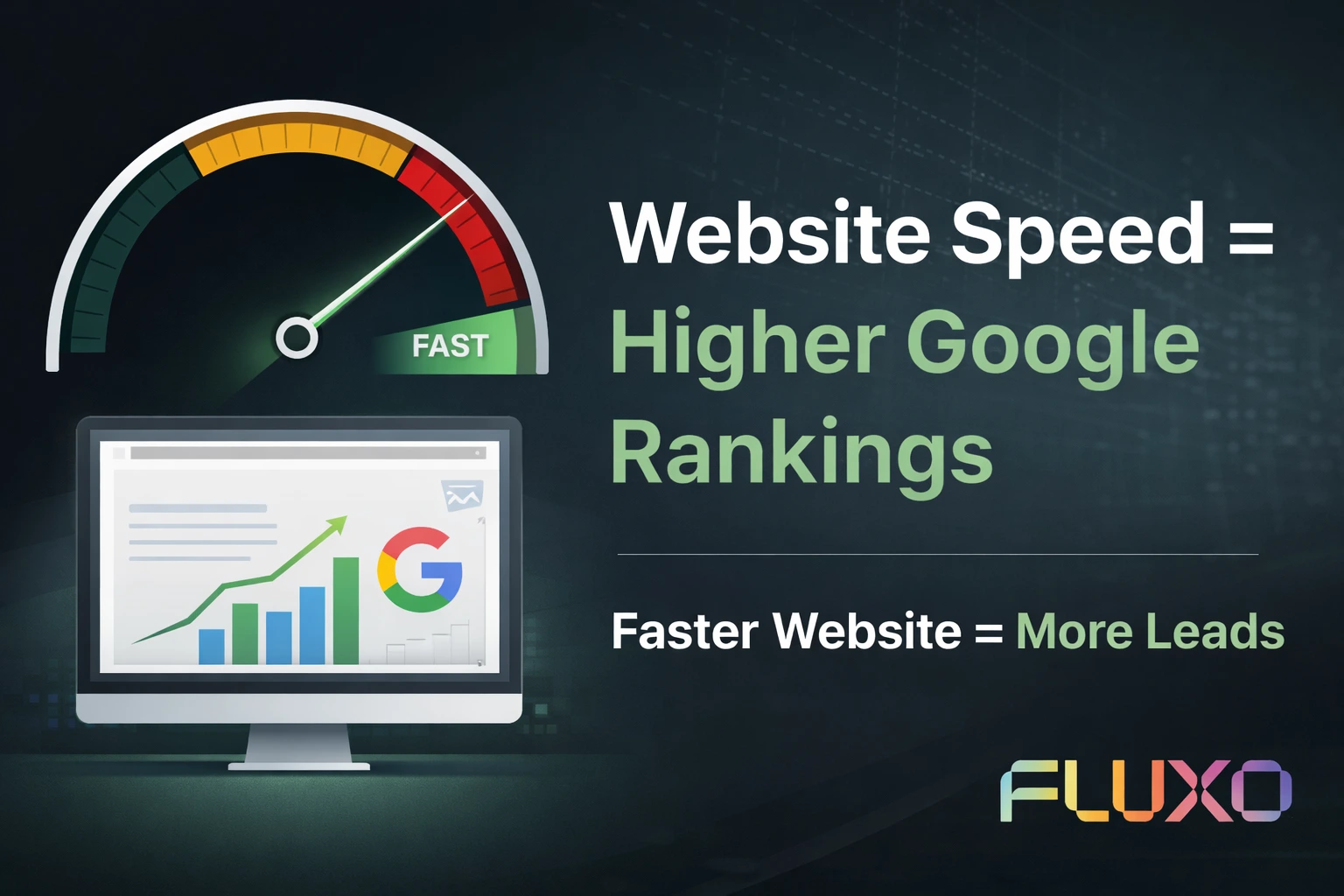
In today’s digital world, website speed is no longer optional — it’s a ranking factor. If your website takes more than a few seconds to load, you’re not just losing visitors… you’re losing Google rankings, leads, and revenue.
For businesses aiming to grow online, understanding how speed affects SEO is critical. In this guide, we’ll break down why website speed matters, how it impacts Google rankings, and how you can optimize it for better performance and conversions.
Why Website Speed Matters for SEO
Google has officially confirmed that page speed is a ranking factor, especially after introducing Core Web Vitals.
What happens when your site is slow?
-
Higher bounce rate
-
Lower user engagement
-
Poor conversion rates
-
Drop in search rankings
Studies show:
If your site takes more than 3 seconds to load, over 50% of users leave.
How Website Speed Affects Google Ranking
1. Core Web Vitals (Google Ranking Signals)
Google evaluates performance using:
-
Largest Contentful Paint (LCP) – loading speed
-
First Input Delay (FID) – interactivity
-
Cumulative Layout Shift (CLS) – visual stability
Faster websites score better → rank higher.
2. Crawl Efficiency (Important for SEO)
Slow websites:
-
Reduce crawl rate
-
Delay indexing
-
Affect visibility in search results
Fast websites:
-
Get crawled faster
-
Indexed quickly
-
Rank more efficiently
3. User Experience (UX Signals)
Google tracks:
-
Time on site
-
Bounce rate
-
Pages per session
A fast website improves all of these → boosts rankings.
Impact of Speed on Conversions
Website speed directly affects sales and leads:
-
1-second delay = 7% drop in conversions
-
Faster websites = higher trust + better UX
-
Improved speed = more inquiries and sales
For service businesses like Fluxo Studio, speed = more client conversions
Common Causes of Slow Websites
-
Heavy images (not optimized)
-
Too many plugins/scripts
-
Poor hosting
-
No caching system
-
Unoptimized code (CSS/JS)
How to Improve Website Speed (Actionable Tips)
1. Optimize Images
-
Use WebP format
-
Compress images
-
Lazy load images
2. Use Fast Hosting
-
Choose performance-focused servers
-
Avoid cheap shared hosting
3. Enable Caching
-
Browser caching
-
Server-side caching
4. Minify CSS, JS, HTML
-
Remove unnecessary code
-
Combine files
5. Use CDN (Content Delivery Network)
-
Faster global loading
-
Reduced server load
6. Reduce Plugins & Scripts
-
Keep only essential tools
-
Avoid heavy third-party scripts
SEO Benefits of a Fast Website
-
Higher Google rankings
-
Better user experience
-
Increased organic traffic
-
Lower bounce rate
-
Higher lead generation
Why Businesses Choose Fluxo Studio
At Fluxo Studio, we don’t just build websites — we build high-performance, conversion-focused platforms.
What we offer:
-
Lightning-fast website development
-
SEO-optimized structure
-
Mobile-first design
-
Performance optimization
-
Lead-focused UI/UX
Ready to Speed Up Your Website?
If your website is slow, you’re losing potential customers every day.
Let Fluxo Studio help you:
-
Improve speed
-
Boost Google rankings
-
Generate more leads
Contact us today for a free website audit!